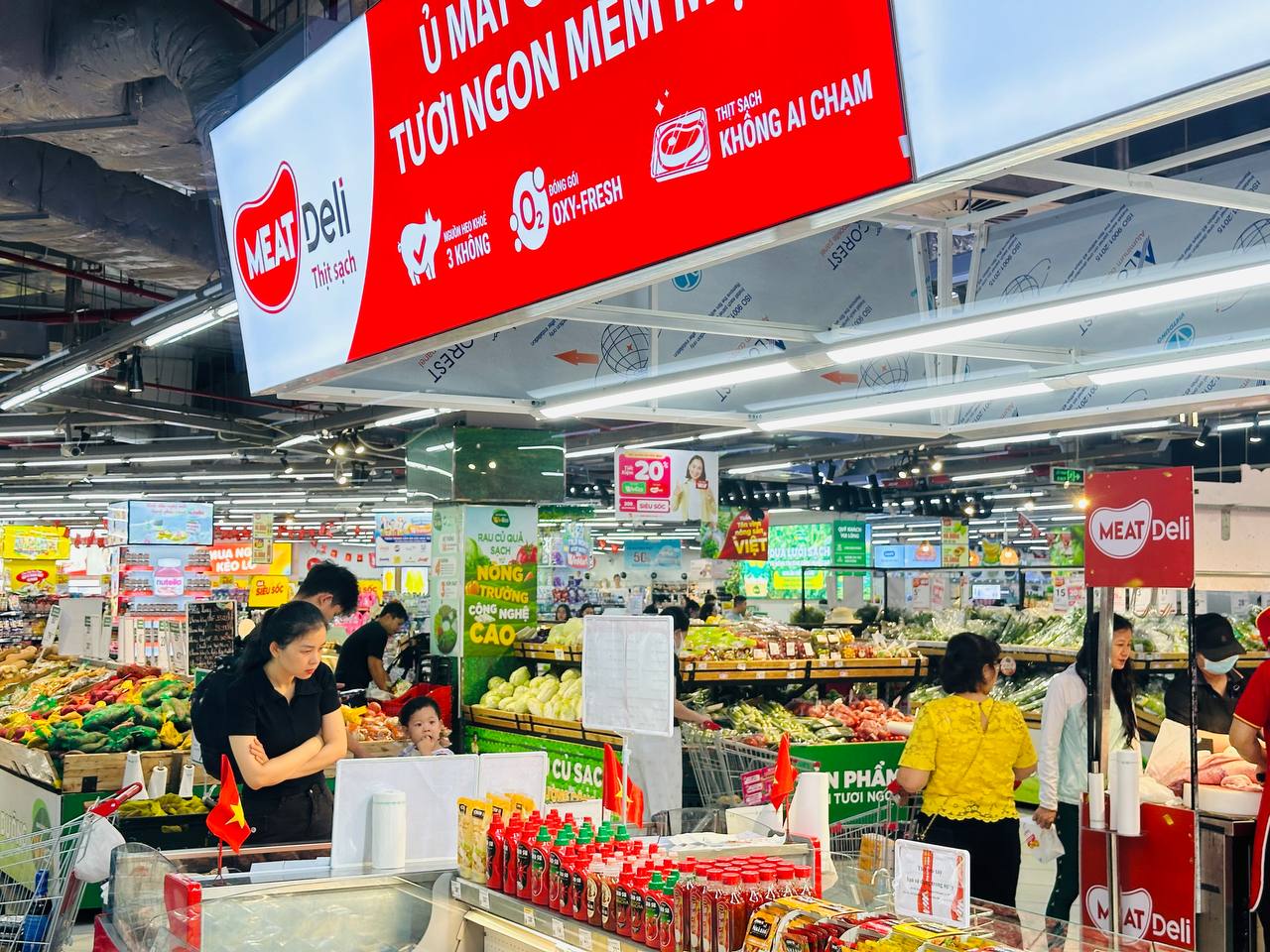
After years of investment, restructuring, and disciplined execution to build a solid operating foundation, Masan MEATLife (UPCOM: MML) entered a new chapter in 2025, recording profits nearly 25 times higher year-on-year. Behind this impressive performance lies a clear strategic shift: moving away from the traditional meat producer model toward a modern consumer protein platform, leveraging value-added processed products and the unique distribution advantages within Masan’s retail ecosystem.
This acceleration is not merely a short-term earnings recovery. More importantly, it signals a business model that is becoming increasingly refined, with improving profitability quality and a more visible long-term growth runway.
From Earnings Recovery to Higher-Quality Growth
In 2025, Masan MEATLife reported revenue of VND 9,230 billion, up 20.7% year-on-year, while NPAT pre-minority interest reached VND 619 billion, nearly 25 times higher than the prior year. In the fourth quarter alone, revenue rose to VND 2,437 billion (+10.6% YoY) and NPAT reached VND 153 billion (+~80% YoY), underscoring strengthening momentum across successive quarters. At the same time, EBIT margin improved to 5.5%, up 330 basis points, reflecting continued gains in operational efficiency.
The key takeaway is not just the pace of growth, but the improving quality of earnings. Rather than relying primarily on fresh meat and farming activities segments typically exposed to price volatility and thinner margins Masan MEATLife has been steadily increasing the contribution of processed, convenient, and higher value-added products. In 2025, innovation-led products accounted for approximately 31% of category revenue, up from 18% in 2024, indicating that innovation has become a genuine growth engine rather than a pilot initiative.
This shift not only supports margin expansion and stronger consumer branding, but also enhances customer loyalty and positions the business for more sustainable growth, driven by value creation rather than volume expansion alone.
Distribution Advantage - A Runway for Scalable Growth
One of Masan MEATLife’s most distinctive advantages relative to many peers is its direct access to consumers through the WinCommerce retail network. With 4,592 stores nationwide, this platform enables rapid market penetration while delivering clear benefits in speed, cost efficiency, and consumer data insights. In 2025, average daily sales of Masan MEATLife products per WinCommerce store reached approximately VND 2.1 million, up 13.7% year-on-year.
Operating within the same ecosystem allows Masan MEATLife to launch and test new products faster, tailor assortments to local demand, and optimize supply chains with greater agility. This close integration is reflected in the Company’s ~61% share of the protein category within the WinCommerce system, up 600 basis points, reinforcing its leading position across both fresh and processed meat segments. The tight coordination between production and retail shortens time-to-market while improving overall operating efficiency.
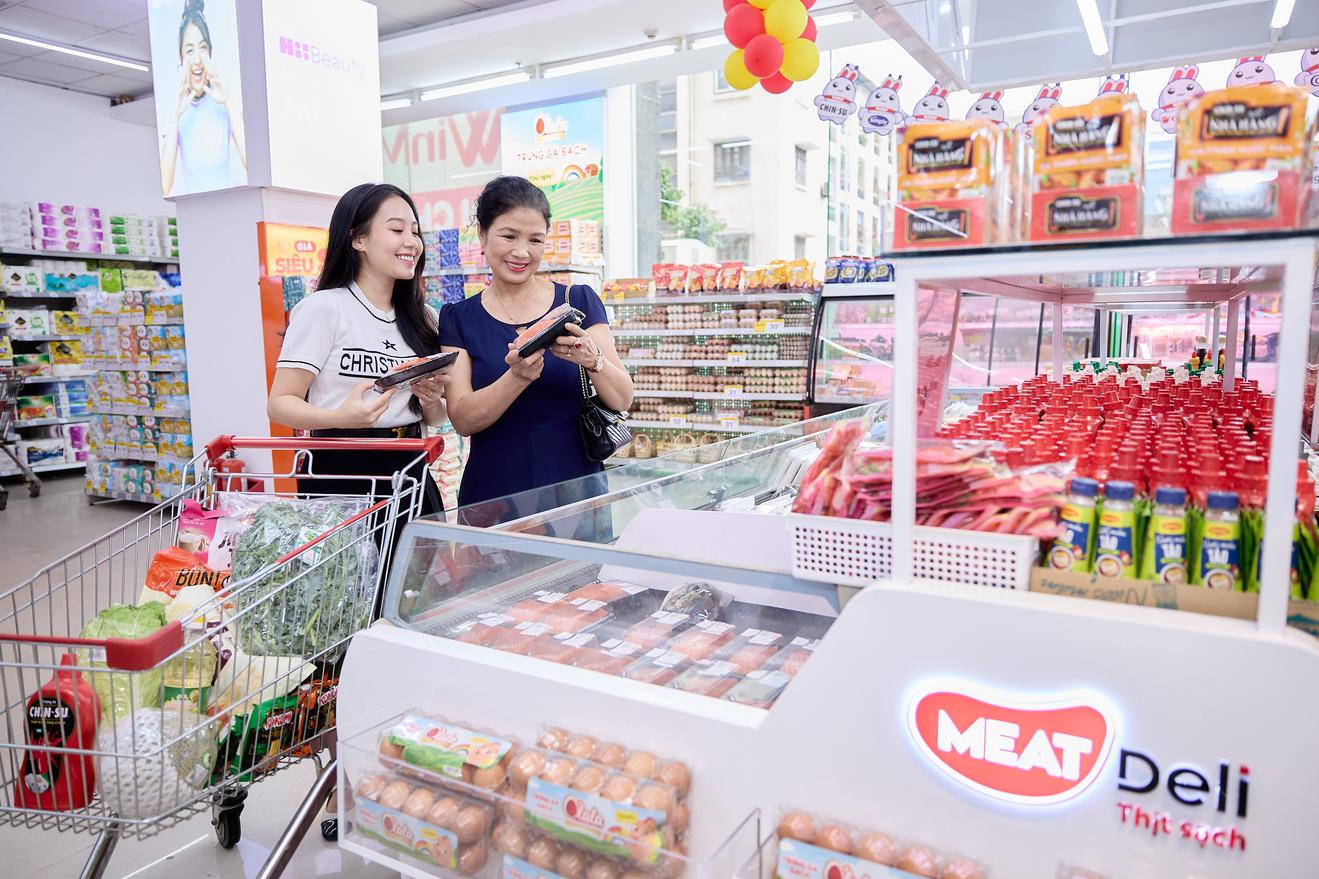
That said, such advantages also require strong management discipline, as rapid scale-up must be balanced with tight control over quality, inventory, and costs. Masan MEATLife’s ability to deliver growth alongside rising profitability suggests that the integrated model is operating in a relatively balanced and scalable manner.
From Foundation Building to Value Harvesting
The transition from a traditional meat company to a modern consumer protein platform does not happen overnight. It requires long-term investment in brand building, product innovation, distribution capabilities, and operational excellence. The results achieved in 2025 indicate that this strategy is moving in the right direction, although time is still needed to validate its resilience across multiple business cycles.
Looking ahead, Masan MEATLife’s growth journey will depend on its ability to sustain momentum in processed meat, maintain margin stability, and continue improving the effectiveness of the retail ecosystem amid intensifying competition. External factors such as input costs, consumer demand, and the pace of network expansion will also shape performance across different phases.