


This momentum is expected to continue into the second quarter. Based on preliminary April results, MSR’s 2Q2026 profit could reach approximately VND 690 billion. The second half of the year is anticipated to be even stronger, supported by a recovery in ore throughput and a ramp-up in production from 3Q onward following the adjustment of its 28-million-ton mining license. These developments indicate that MSR is entering a new growth cycle, with improving profitability, cash flow, and balance sheet strength.
More importantly, for Masan Group (HOSE: MSN), MSR’s acceleration not only contributes incremental consolidated earnings but also adds a new long-term cash generation engine alongside its consumer-retail platform.
Global Supply Gap and MSR’s Strengthening Strategic Position
Tungsten is a critical material widely used in semiconductors, power electronics, defense, energy, and precision manufacturing. However, global supply has long been heavily concentrated in China.
As China shifts toward prioritizing domestic demand, tightening export controls, and preserving strategic resources, supply available to international markets has become increasingly constrained. This has created a growing supply gap, prompting global value chains to seek more reliable alternative suppliers.
In this context, Masan High-Tech Materials holds a significant advantage through its Nui Phao mine - one of the largest tungsten mines outside China-and its integrated value chain spanning mining to downstream processing. This is a rare positioning, as few companies globally possess both upstream resource ownership and large-scale processing and commercialization capabilities.
According to industry data previously disclosed by the company, MSR currently accounts for approximately 21% of tungsten supply outside China in recent years. As global supply chains increasingly prioritize diversification, the role of companies like MSR is becoming more prominent.
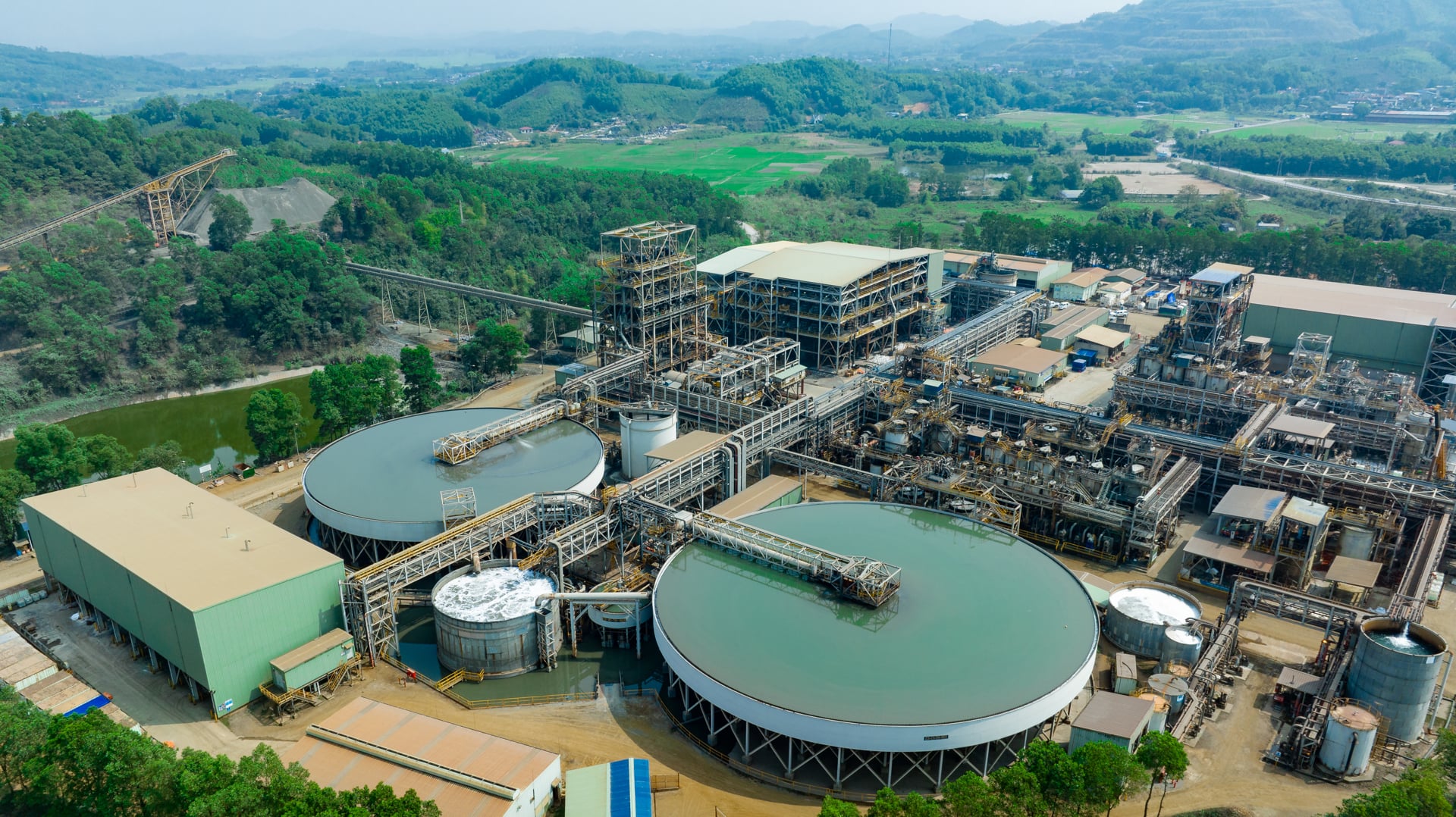
Importantly, MSR is not merely a raw material supplier. Its downstream processing capabilities allow it to capture higher value-added margins, maintain better quality control, and benefit more significantly during upcycles in commodity prices.
APT Price Surge Drives Earnings Acceleration
A key driver of the current upcycle is the sharp increase in APT prices. In 1Q2026, average APT prices reached USD 1,865/mtu. By March 31, 2026, prices had risen to USD 3,150/mtu, significantly exceeding MSR’s base-case assumptions for the year.
As an essential intermediate product in the tungsten value chain, APT pricing has a direct impact on MSR’s revenue and profitability. Supported by favorable market conditions and improved operational performance, 1Q2026 revenue reached VND 2,993 billion, up 114.9% year-on-year. Of this, APT revenue totaled VND 2,445 billion, increasing 3.2x YoY and remaining the primary growth driver.
Notably, the strong earnings growth is not solely driven by commodity prices, but also by internal efficiency gains. EBITDA margin for the quarter reached 35.1%, up 540 basis points year-on-year, reflecting improved cost control, higher recovery rates for tungsten and fluorspar, and enhanced production efficiency.
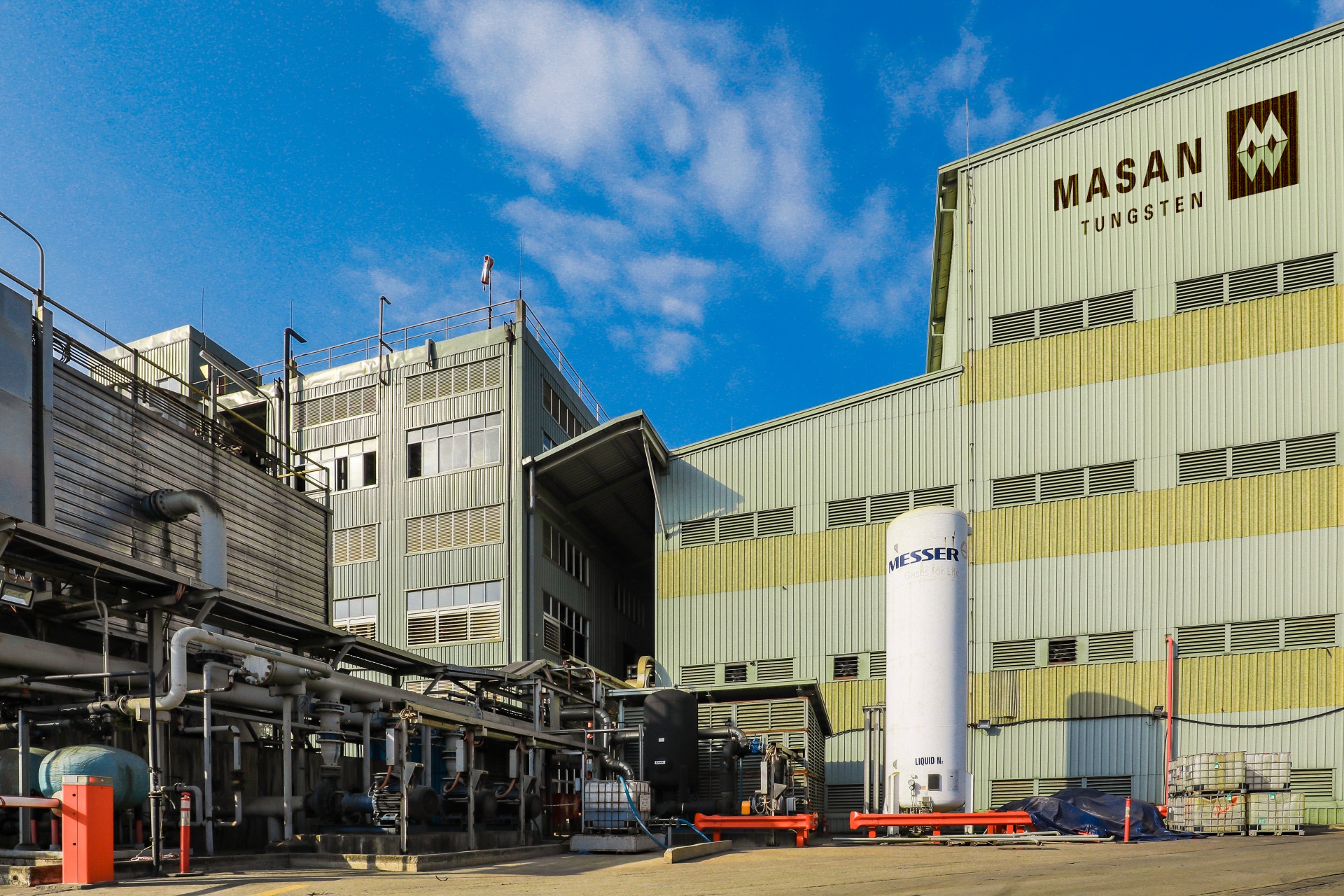
This dynamic is characteristic of the mining sector: when selling prices increase while fixed costs remain controlled, profit growth tends to outpace revenue growth. As such, if APT prices remain supportive, MSR’s earnings upside in the coming quarters remains significant.
From Commodity Cycle to a Long-Term Cash Engine for MSN
Following a strong 1Q, preliminary 2Q2026 results continue to indicate positive momentum, with estimated profit reaching around VND 690 billion. The second half of the year is expected to further strengthen as ore processing volumes increase after the adjustment of the 28-million-ton mining license, enabling higher capacity utilization from 3Q onward.
Alongside earnings growth, the company is entering a phase of stronger cash generation and accelerated deleveraging. According to the latest update, MSR’s Net Debt/EBITDA ratio is expected to decline from 3.5x in 1Q2026 to approximately 1.7x by the end of 2026. Assuming APT prices remain above USD 1,500/mtu on average, the company targets achieving a net cash position as early as mid-2027, or more conservatively by end-2028.
This transition is particularly important for investors. When a commodity business moves from restructuring into a strong cash generation phase - characterized by lower interest costs and a healthier balance sheet - markets typically begin to re-rate the company more positively.
In addition, Masan has announced plans to transfer MSR’s listing to HOSE, aiming to broaden its investor base, improve liquidity, and enhance access to institutional capital. This could serve as an important catalyst to better reflect the company’s intrinsic value in the next phase.
For MSN, which holds a majority economic interest in MSR, the growth of the high-tech materials segment not only contributes to consolidated earnings but also diversifies its cash flow sources beyond the consumer-retail platform.
As global focus intensifies on resource security, AI, semiconductors, and strategic supply chains, tungsten is increasingly being viewed as a strategic asset rather than a purely cyclical commodity. If this trend continues, MSR may be valued not simply as a mining company, but as a high-tech materials platform with a critical role in the global supply chain.