


Consumer retail remains one of the key drivers of Vietnam’s economy
For many years, the consumer retail sector has been regarded as one of the key pillars of Vietnam’s economy, supported by the country’s large population, rapid urbanization, and expanding middle class. However, after a prolonged period of growth driven primarily by scale expansion, the market is now entering a new development cycle in which growth quality, consumer experience, and technology adoption are becoming increasingly important competitive factors.
Unlike previous years, when companies mainly competed through store network expansion and pricing strategies, Vietnam’s consumer retail sector is now witnessing a strong shift toward data-driven operating models, supply chain optimization, and personalized customer experiences. This transformation is not only changing how businesses engage with consumers, but also reshaping the competitive structure of the industry itself.
In this environment, companies with integrated ecosystems spanning manufacturing, distribution, and retail are gaining stronger advantages in controlling the value chain and adapting to evolving market conditions. This is also one of the reasons why the consumer retail sector continues to attract strong interest from investors and capital markets over the long term.
Recovering purchasing power is creating momentum for the consumer retail sector
Recent market signals indicate that domestic consumer demand is recovering meaningfully after a period of cautious spending. Consumers are not only increasing expenditures on essential goods again, but are also showing greater demand for higher-value products and enhanced consumer experiences.
This is accelerating the premiumization trend within the consumer retail sector, where companies are no longer competing solely on price, but increasingly focusing on brand strength, product quality, and shopping experience.
At the same time, modern retail formats continue to expand rapidly, particularly beyond major urban areas. This is considered one of the most important long-term growth opportunities for Vietnam’s retail market.
According to updates from Masan, several modern retail systems are recording strong growth in rural areas, where modern trade penetration remains relatively low while consumer demand continues to rise rapidly.
This trend suggests that Vietnam’s consumer retail sector still has substantial room for growth, particularly for companies capable of efficiently scaling distribution systems and adapting quickly to changing consumer behaviors.
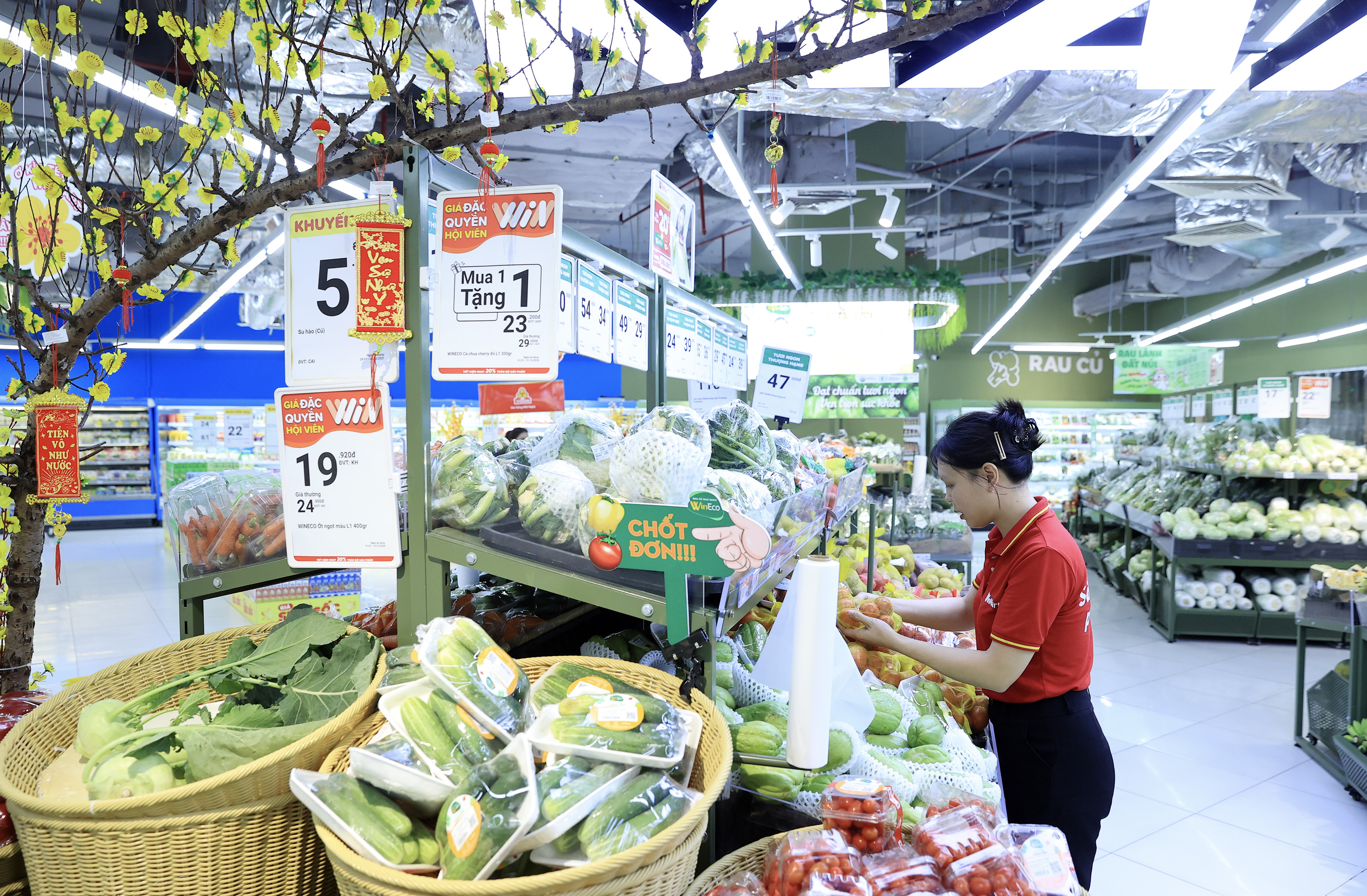
Another notable point is that the recovery in purchasing power is occurring simultaneously across both consumer goods and modern retail segments. According to 1Q2026 updates, several major companies in the sector reported growth exceeding expectations early in the year. For example, WinCommerce recorded revenue of more than VND11.363 trillion in 1Q2026, up 29.4% year-on-year, while Masan Consumer posted revenue of approximately VND8.473 trillion, up 13.1%.
This reflects that the recovery trend is no longer isolated, but is spreading across the broader consumer retail ecosystem, from shopping demand to operational efficiency among leading companies. For investors, these figures are the clearest evidence that a new growth cycle for the retail industry has officially begun.
Technology, data, and ecosystems are reshaping the consumer retail sector
One of the most significant transformations in the consumer retail sector over recent years has been the shift from traditional operating models toward technology- and data-driven models.
Where competitive advantage once came primarily from store coverage and distribution network expansion, companies in the consumer retail sector are now focusing increasingly on optimizing real-time consumer data, improving operational efficiency at the store level, and personalizing customer experiences. At the same time, shortening product commercialization cycles and increasing value per transaction are becoming critical drivers of growth efficiency.
The combination of data and direct distribution systems enables companies to better understand consumer behavior, thereby improving operational efficiency, enhancing service quality, and supporting long-term business performance.
Another important trend is the transition from simply “selling products” to “building consumer ecosystems.” Under this model, companies compete not only through brands, but also through their ability to connect directly with consumers via retail networks, membership platforms, and customer data. Owning an integrated ecosystem helps businesses increase their "Share of Wallet" and extend "Lifetime Value" (LTV) vital metrics in the new retail era.
This is particularly relevant in Vietnam’s still-fragmented consumer retail market, where substantial opportunities remain for businesses capable of integrating the value chain and improving operational efficiency.
According to recent updates, many companies in the sector are accelerating the development of direct distribution and data-driven operating models to optimize growth efficiency. For example, Masan Consumer’s Retail Supreme system has expanded to approximately 430,000–500,000 points of sale, while WinCommerce continues to aggressively expand the WinMart/WinMart+ network nationwide. The simultaneous connection between a vast distribution network and modern retail channels allows industry leaders to create synergistic power, protecting market share against the penetration of foreign competitors.
Importantly, growth today is no longer driven solely by increasing the number of stores, but also by improving productivity per store and per transaction. This marks an important shift within the consumer retail sector, where growth quality is becoming increasingly important to the market. Revenue per square meter and profit per order are becoming the new benchmarks for the success of modern retailers.
Long-term outlook for Vietnam’s consumer retail sector
Over the long term, Vietnam’s consumer retail sector continues to benefit from multiple supportive structural factors. These include a large and young population, the rapid expansion of the middle class, and sustained urbanization. In addition, the continued development of modern trade, combined with improving logistics and technology infrastructure, is creating favorable conditions for businesses to expand distribution networks, improve operational efficiency, and better meet evolving consumer demand.
Furthermore, Vietnam’s modern retail penetration rate remains lower than that of many countries in the region, suggesting that significant long-term growth potential still exists.
However, this new development phase also comes with greater competitive pressure. Consumers are becoming increasingly demanding in terms of quality and experience, while businesses must continue investing in technology, data, and operational systems to maintain competitive advantages.
In an increasingly competitive landscape, the market is favoring companies capable of building strong brands, operating large-scale distribution systems, and leveraging data to optimize efficiency. At the same time, the ability to continuously innovate products in response to rapidly changing consumer demand while balancing growth and profitability is becoming increasingly important in strengthening market positioning within the consumer retail sector.
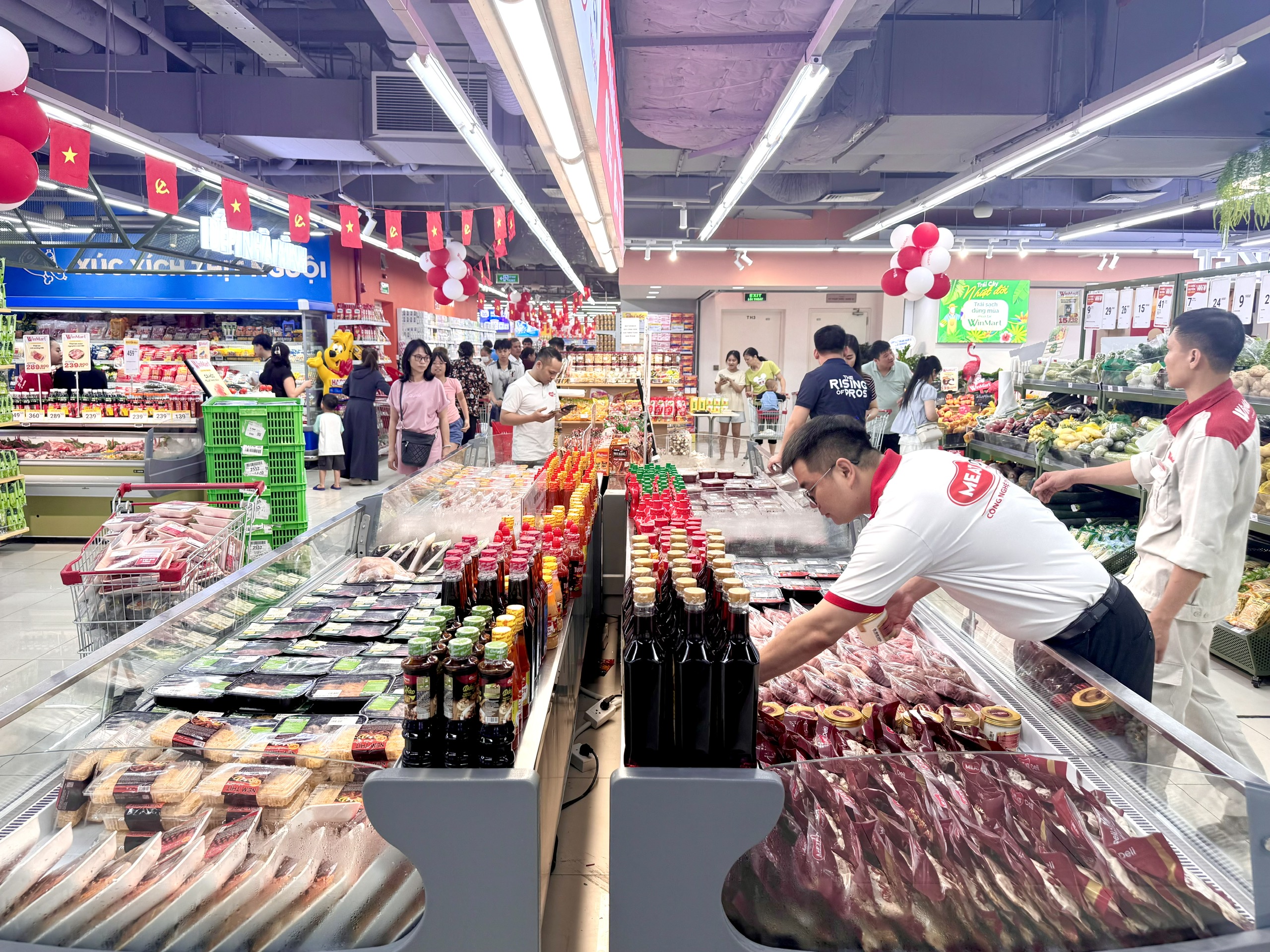
Over the long term, the combination of rising domestic consumption, digital transformation, and retail modernization is expected to continue creating significant opportunities for leading companies, while maintaining consumer retail as one of the most attractive sectors within Vietnam’s economy.