


How Is FMCG Vietnam Entering a New Phase of Growth?
For many years, FMCG Vietnam has been regarded as one of the most fundamental pillars of the domestic consumer economy. Closely tied to everyday needs, the sector has benefited from a large population, favorable demographics, and stable consumption demand. These factors supported a long period of high growth driven primarily by expanding scale and distribution coverage.
Today, however, FMCG Vietnam is entering a new phase of development. As the market matures and consumer behavior evolves, growth is no longer driven mainly by volume expansion. Instead, quality, value creation, and long-term adaptability are becoming the key drivers shaping the industry’s next growth cycle.
This transition reflects not only the increasing maturity of Vietnam’s consumer market, but also a fundamental shift in how FMCG companies must define and execute their growth strategies.
The Current Landscape of FMCG Vietnam
FMCG Vietnam plays a critical role in the economy due to its focus on essential daily products such as food, beverages, seasonings, and household and personal care items. The sector is characterized by high consumption frequency, fast inventory turnover, and relatively stable demand compared to more cyclical industries.
In an environment marked by global economic uncertainty, essential consumption sectors continue to be viewed as relatively defensive. This perspective reinforces the strategic importance of FMCG Vietnam, not only in terms of consumer demand, but also from a long-term capital allocation standpoint. Nevertheless, growth within the sector has become more selective, increasingly dependent on the internal capabilities and strategic positioning of individual companies.
The Limits of the Traditional FMCG Growth Model
In earlier stages of development, FMCG Vietnam experienced rapid expansion driven by wider distribution networks, increasing volumes, and aggressive promotional activities. This model proved highly effective when market penetration was still low and competitive intensity was manageable.
As distribution coverage has reached higher levels and competition has intensified, the limitations of this approach have become more apparent. Selling and marketing costs have risen, margins have come under pressure, and consumer loyalty has weakened as promotional intensity increased. Under these conditions, the traditional growth model has become less sustainable.
As a result, FMCG Vietnam is being forced to identify new, more resilient sources of growth that rely less on short-term promotions and more on structural value creation.
Changing Consumer Behavior Is Reshaping FMCG Vietnam
One of the most important forces behind this transition is the rapid evolution of consumer behavior. Vietnamese consumers are increasingly focused on product quality, safety, transparency, and overall experience rather than price alone. Purchasing decisions are now influenced by factors such as perceived value, suitability to lifestyle, and trust in brands.
This shift is driving a clear move from volume-led growth to value-led growth. Consumers are willing to pay more for products that deliver tangible benefits and align with their expectations. For FMCG companies, this means growth must increasingly come from portfolio optimization, brand strength, and higher value per unit sold rather than simply higher volumes.
Innovation, R&D, and the Upgrading of FMCG Vietnam
In this new growth environment, innovation and R&D have become essential foundations for FMCG Vietnam. R&D no longer serves only as a tool for launching new products, but also plays a critical role in continuously improving existing products ranging from formulations and packaging to usability and consumer experience.
At the same time, FMCG Vietnam is undergoing a broader process of standardization and upgrading. Consumers demand greater transparency and clearer product information, while modern retail systems impose stricter requirements on quality control and traceability. These pressures are pushing competition in the sector toward long-term operational excellence rather than short-term tactical advantages.
As a result, companies with stronger R&D capabilities and more disciplined operating systems are better positioned to sustain growth as the market matures.
Masan Consumer in the Structural Transition of FMCG Vietnam
Within the broader transformation of FMCG Vietnam, Masan Consumer represents a case that reflects how leading domestic companies are adapting to the sector’s new growth dynamics. According to publicly disclosed materials, the company has developed a multi-category portfolio addressing a wide range of essential consumer needs and reaching a large proportion of Vietnamese households.
Masan Consumer has invested in R&D capabilities and data-driven systems to strengthen the link between product development and real consumer behavior. The establishment of the Consumer Innovation Center (CIC) enables closer integration between research, consumer insights, and commercialization. As disclosed, this approach has helped shorten time-to-market for new products to under 12 months while improving the success rate of innovation initiatives.
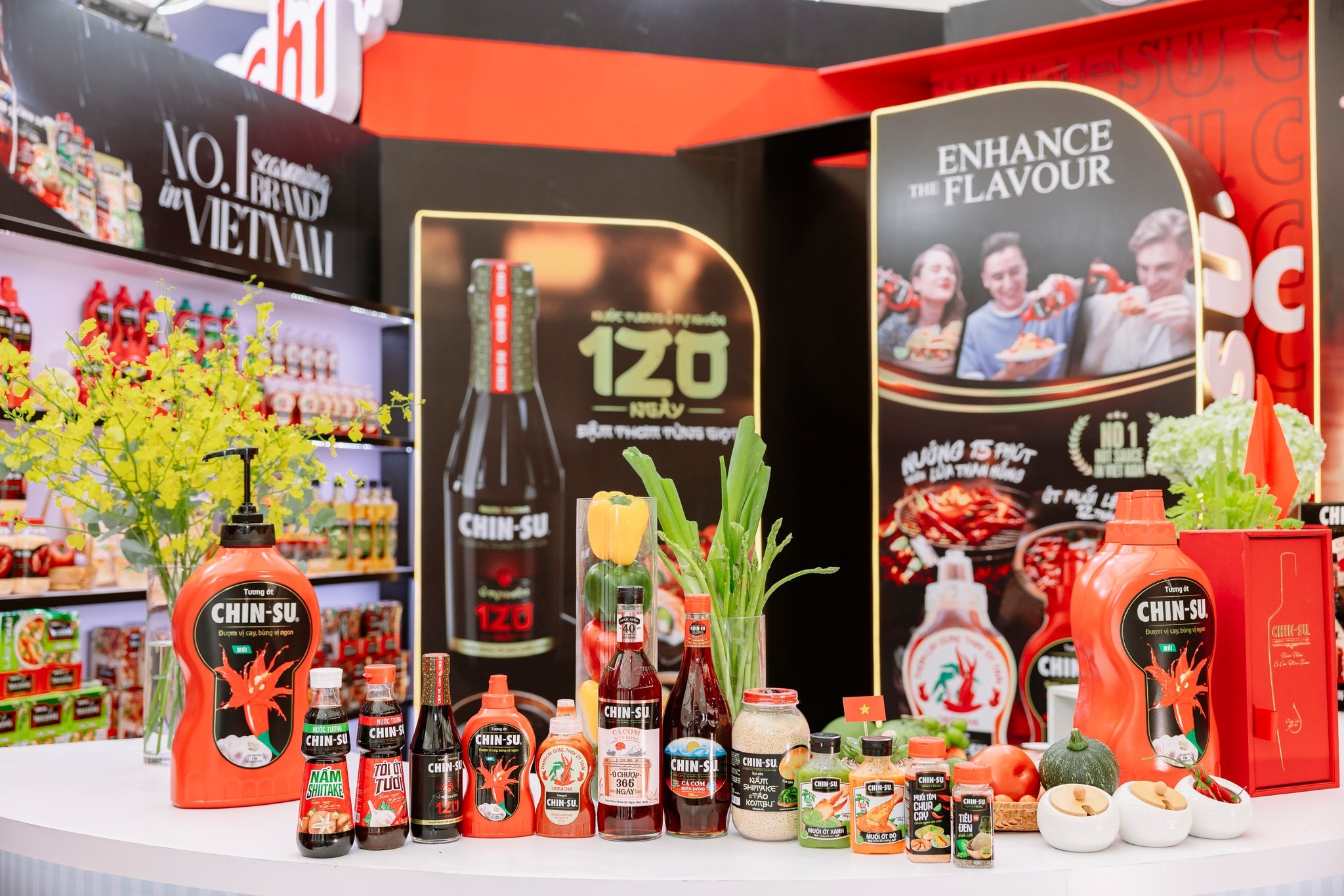
In international investment discussions, FMCG companies with broad portfolios, high household penetration, and structured innovation platforms are often viewed as “national champions” within their domestic markets. In this context, development models such as Masan Consumer’s illustrate how FMCG Vietnam is shifting from scale-driven growth toward depth-driven, quality-focused expansion.
Opportunities and Challenges for FMCG Vietnam in the New Growth Phase
As FMCG Vietnam enters this new phase, the sector continues to benefit from several structural opportunities. These include a large domestic market, a growing middle class, and relatively stable spending on essential goods. The expansion of modern retail formats and e-commerce also provides additional growth channels for FMCG companies.
At the same time, challenges are becoming more pronounced. Cost pressures, intense competition, and rising consumer expectations require companies to continuously upgrade product quality and operating efficiency. In this environment, capabilities such as portfolio management, R&D execution, and deep consumer understanding are increasingly important sources of differentiation.
FMCG Vietnam in the Medium and Long Term
Looking ahead, FMCG Vietnam is widely regarded as a resilient sector due to its close connection to essential consumption. However, future growth is expected to be more selective. The gap between companies with long-term strategies and those reliant on traditional growth models is likely to widen.
Companies that invest consistently in quality, innovation, and operational foundations are better positioned to benefit from the next phase of growth. Conversely, those that depend heavily on promotions and volume expansion may find it increasingly difficult to sustain performance as the market matures.
FMCG Vietnam is entering a new phase of growth defined less by scale and more by quality, innovation, and adaptability to evolving consumer expectations. This transition reflects the increasing maturity of the domestic consumer market and raises the bar for how FMCG companies compete and grow.
Read more: Vietnam’s FMCG Companies Adapt to Market Volatility