


FMCG Vietnam in the Digital Era: When Distribution and Data Become Core Competitive Advantages
For decades, FMCG Vietnam has been built on a familiar foundation: a vast traditional distribution network consisting of hundreds of thousands of grocery stores, wet markets, and small retail outlets. This system has long served as the backbone of fast-moving consumer goods, enabling products to reach deeply into residential areas, particularly in rural and semi-urban regions.
However, as the market enters the digital era, the structural limitations of this traditional distribution model are becoming increasingly evident. FMCG Vietnam is now undergoing a significant transition, in which distribution, data, and technology are emerging as core sources of competitive advantage rather than merely operational support functions.
Traditional Distribution: A Backbone Under Structural Pressure
Within the FMCG Vietnam landscape, traditional trade (General Trade GT) has historically played a dominant role. The multi-layered model from manufacturers to distributors, wholesalers, and finally retail outlets proved highly effective when market penetration was still low and digital adoption limited.
As the market matures, however, this model is facing mounting structural pressure. One of the most critical challenges is information lag between point-of-sale and manufacturers. When sales data is delayed by weeks, demand forecasting, inventory management, and product portfolio optimization become significantly less effective.
In addition, the traditional system relies heavily on inventory buffers across multiple intermediary layers. In an environment of rising capital costs and increasing caution among small retailers, inventory turnover tends to slow, reducing overall system efficiency. These factors indicate that traditional distribution alone is no longer sufficient to support sustainable growth in the digital era.
FMCG Vietnam in the Digital Era: Distribution Beyond “Product Delivery”
As technology and data move to the center of business operations, the concept of distribution in FMCG Vietnam is being fundamentally redefined. Distribution is no longer just about ensuring product availability; it has become a two-way data connection between companies and the market.
In this new environment, FMCG companies must answer real-time questions:
- Which products are performing best in specific locations?
- Which outlets are at risk of stock-outs?
- Which product mix is most suitable for each store type?
Data and Technology as the New Competitive Foundation
In the digital era, data has become a strategic asset for FMCG companies. Rather than serving purely reporting purposes, data is increasingly used to guide actions at the frontline.
Equipping sales teams with digital tools allows companies to optimize sales routes, prioritize high-potential outlets, and tailor product assortments to local demand patterns. Continuous data collection and analysis enable faster responses to market changes, lower unnecessary inventory, and improve capital efficiency.
As a result, companies that effectively control and leverage point-of-sale data gain a significant advantage in market management and long-term competitiveness within FMCG Vietnam.
Masan Consumer and the Shift Toward Direct Distribution
Within this broader transformation, some FMCG companies have proactively restructured their distribution systems to become more direct and digitally integrated. Masan Consumer represents a notable example of this approach in FMCG Vietnam.
Rather than relying entirely on intermediary layers, the company has adopted a more direct engagement model with retail outlets. Sales teams are reorganized by geographic territory and equipped to manage a full product portfolio, supported by digital tools that capture real-time data on inventory levels and consumer behavior at the point of sale.
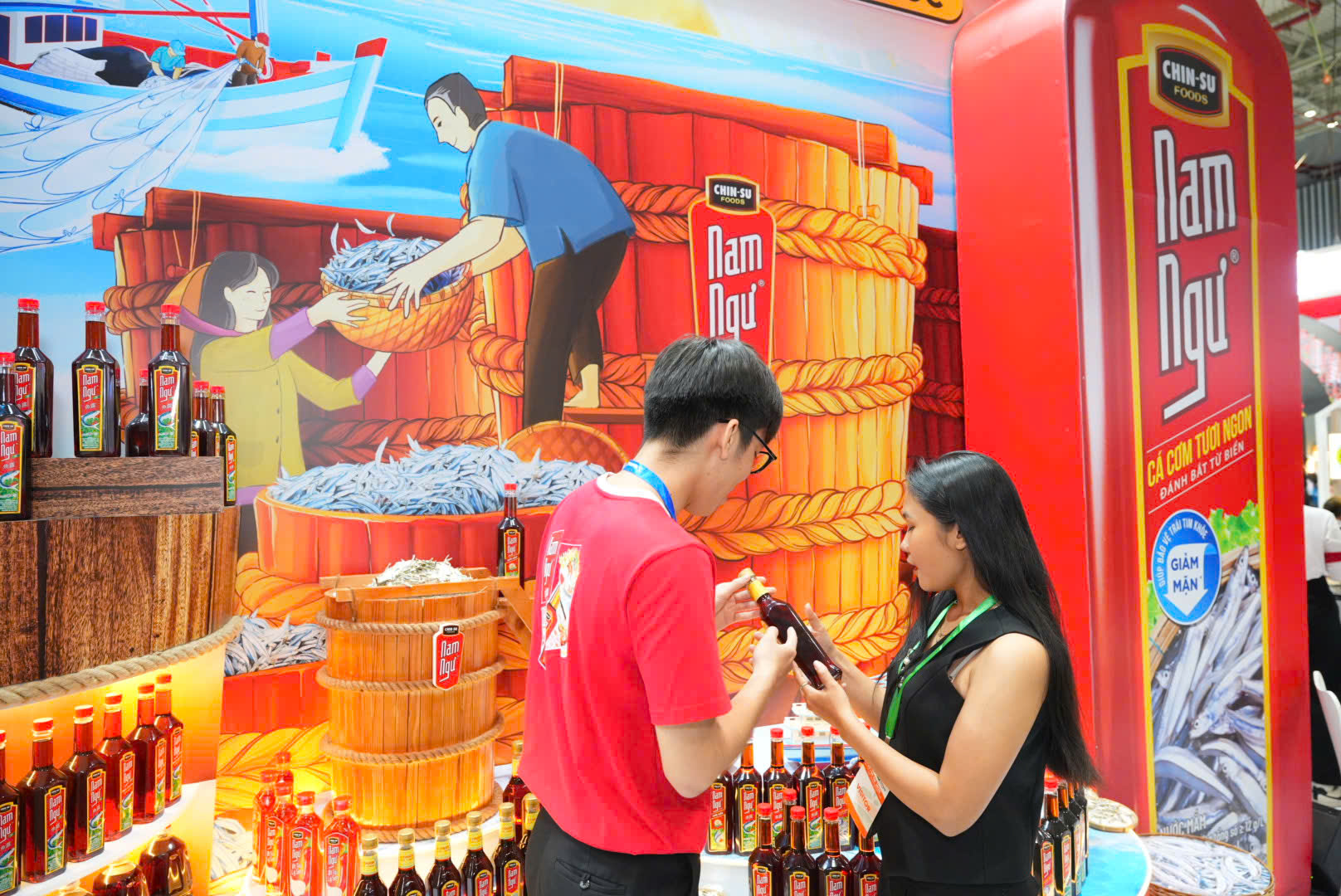
The integration of data, technology, and field execution enables a clearer, more timely view of market dynamics. This approach supports higher outlet coverage, improved sales productivity, and reduced dependence on traditional wholesale channels.
From “Selling Products” to “Managing the Market”
One of the most fundamental shifts in FMCG Vietnam’s digital transition is the move from a sales-centric mindset to market management. With continuous data flows from a large network of retail outlets, companies can identify emerging consumption trends early, adjust product portfolios by region, and allocate resources more efficiently.
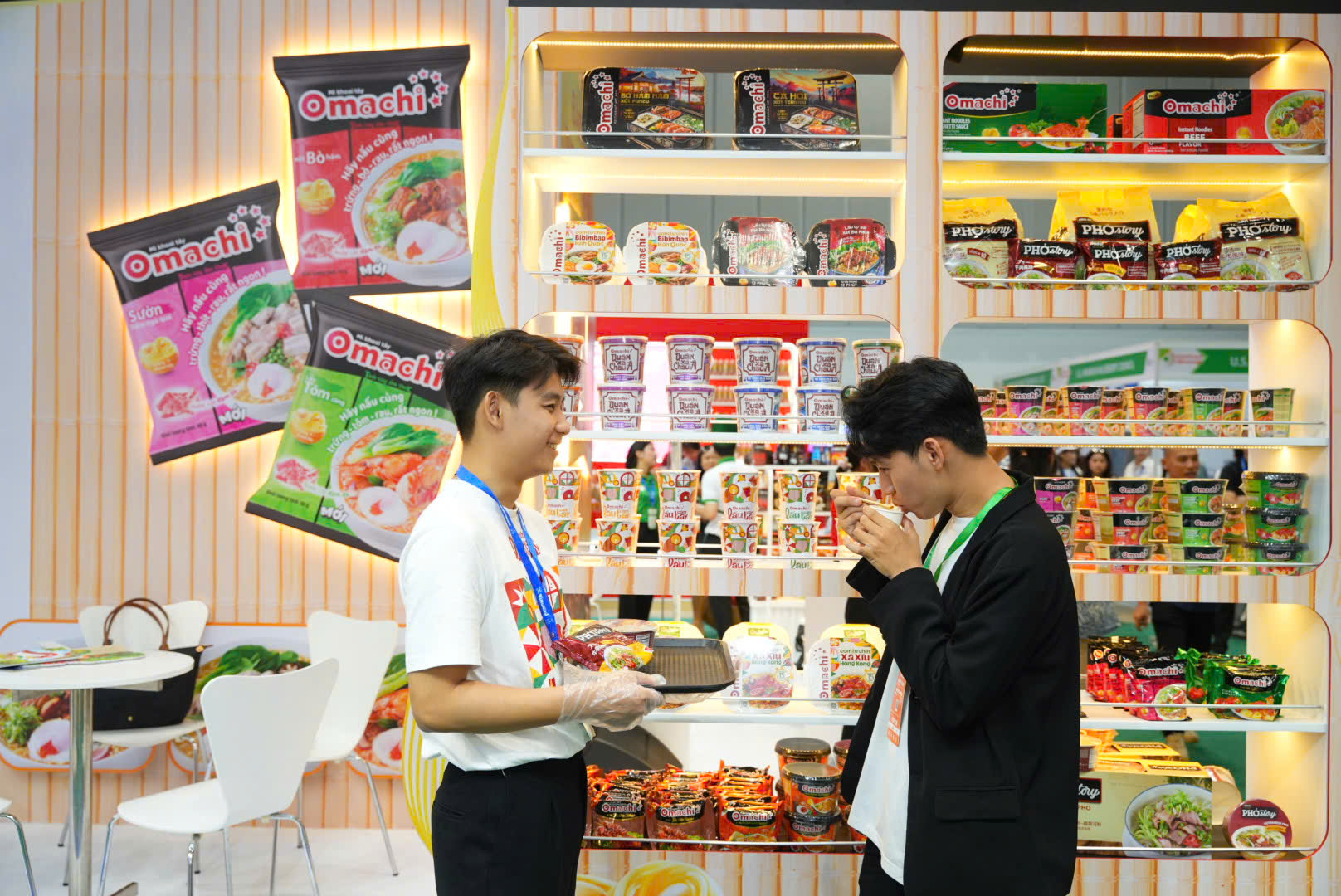
This creates a shorter feedback loop between the market and decision-makers, enabling companies not only to sell more, but to sell the right products, at the right time, in the right locations. Over time, this capability becomes a competitive advantage that is difficult for competitors to replicate.
Opportunities and Challenges in FMCG Vietnam’s Digital Transformation
Digital transformation in distribution opens significant opportunities for FMCG Vietnam, particularly in improving operational efficiency and strengthening long-term competitiveness. At the same time, it presents notable challenges.
Companies must invest in technology infrastructure, retrain sales teams, and ensure consistent data integration across large, geographically dispersed networks. Shifting from manual processes to data-driven execution requires time, organizational discipline, and a clear long-term vision.
Success depends not only on adopting new tools, but on embedding digital capabilities into everyday operations and decision-making processes.
FMCG Vietnam is entering a digital era in which distribution and data are no longer back-end logistics functions, but central pillars of competitive strategy. The limitations of traditional distribution models are pushing companies to adopt more direct, technology-enabled approaches.
Within this landscape, digitally integrated distribution models such as those implemented by Masan Consumer illustrate how FMCG Vietnam can adapt proactively and enhance the quality of growth. Over the long term, companies that effectively control point-of-sale data and maintain close connections with the market will be best positioned to build sustainable competitive advantages in FMCG Vietnam.
Read more: Vietnam’s FMCG Companies Adapt to Market Volatility