Updated
What Are Masan Consumer’s Long-Term Growth Drivers?
May 14, 2026


Consumer goods R&D forms the foundation of a premiumization strategy, enabling Vietnamese businesses to elevate quality standards and achieve sustainable global expansion.
Consumer R&D and the Strategy of Premium Product Development Strategy
In today’s highly competitive global consumer landscape, growth is no longer driven primarily by scale or price advantages. Instead, long-term value creation increasingly comes from a company’s ability to deliver superior quality, differentiated experiences, and strong brand trust. As consumers become more selective and willing to pay for better products, consumer R&D has emerged as a core strategic capability that enables companies to pursue premiumization and expand sustainably into international markets.
Modern R&D goes far beyond laboratory testing or formula improvement. It is an integrated system that connects consumer insights, advanced manufacturing technologies, product design, quality management, and commercialization capabilities. Companies that invest early in strong consumer R&D capabilities can build resilient product portfolios, improve margins, and establish long-term competitive advantages when entering global markets.
Why R&D Is the Foundation of Premiumization in International Expansion
Premiumization is not simply about raising prices or upgrading packaging. At its core, premiumization means increasing the perceived value of a product across multiple dimensions: product performance, safety, reliability, design, emotional connection, and overall experience.
In developed markets, consumers are willing to pay more when products consistently deliver three core attributes: high quality, transparency in standards and sourcing, and differentiated user experience. These attributes cannot be created through marketing alone. They must be engineered from the ground up through strong consumer R&D capabilities.
Effective consumer R&D enables companies to:
When R&D becomes the strategic center of the organization, premiumization supports not only revenue growth per unit but also brand equity, pricing power, and long-term competitiveness.
International Market Standards Require a Comprehensive Upgrade of Consumer R&D
When expanding into international markets, consumer goods R&D must be upgraded in both mindset and process. Strict standards on quality, compliance, and user experience require R&D to integrate closely with the entire value chain. Strong multi-market research and adaptability are therefore essential for premiumization and sustainable competitiveness.
Strict Requirements from Global Retail Platforms
Global retail platforms and international e-commerce marketplaces apply rigorous standards for product safety, traceability, labeling compliance, logistics stability, and quality consistency. Products must meet regulatory requirements across multiple jurisdictions while maintaining reliable performance throughout transportation and storage.
As a result, consumer R&D must work closely with manufacturing, supply chain, regulatory affairs, and quality management teams from the earliest design stage. Every decision related to ingredients, packaging materials, shelf life, or formulation stability has implications for global compliance and operational cost.
Higher Expectations from International Consumers
Consumers in developed markets evaluate products beyond basic functionality. They increasingly care about ingredient transparency, sustainability, environmental impact, and ethical production. Trust and credibility are critical, especially for food and household products.
Consumer R&D therefore must integrate market research, behavioral insights, and cultural understanding to ensure products align with evolving expectations while maintaining consistent brand standards across regions.
Translating Consumer Insights into Product Design
A product that succeeds domestically may not automatically resonate internationally. Taste preferences, portion sizes, packaging formats, usage habits, and information requirements differ significantly across markets. R&D teams must redesign products based on localized insights while preserving core brand identity.
Modern R&D practices increasingly rely on co-creation with consumers, iterative testing, and data-driven validation to reduce commercialization risks and accelerate product-market fit in international expansion.
Premiumization Extends Beyond the Product Itself
Premiumization also includes the entire user experience, from first impression on the shelf or digital platform to product usability, packaging convenience, and post-purchase satisfaction. R&D plays a coordinating role across product design, manufacturing feasibility, sustainability objectives, and quality assurance to ensure consistent experience delivery.
The Role of R&D in Building a Sustainable Export Product Portfolio
To build a sustainable export portfolio, R&D must go beyond developing new products and help shape the long-term strategy of the entire portfolio. By leveraging trend analysis, core technologies, and scalability, R&D enables companies to reduce short-term risks and optimize product life cycles. This creates a solid foundation for stable growth and effective competition in international ma
Avoiding Short-Term Trends
Chasing short-term consumer trends may generate temporary sales spikes but often weakens long-term brand positioning and inventory efficiency. Consumer R&D helps companies evaluate the durability of demand signals and invest in scalable platforms rather than isolated product launches.
This approach allows organizations to build long-term technological and formulation capabilities that can support multiple product generations over time.
Expanding Portfolios and Extending Product Life Cycles
A strong R&D foundation enables continuous line extensions, premium variants, and adjacent category development. This portfolio strategy improves product life-cycle economics, increases brand leverage, and creates multiple growth pathways without excessive marketing dependency.
Sustainable export portfolios require consistent innovation pipelines supported by operational scalability and quality discipline.
Masan Consumer and Its R&D Strategy for Premium Products in International Markets
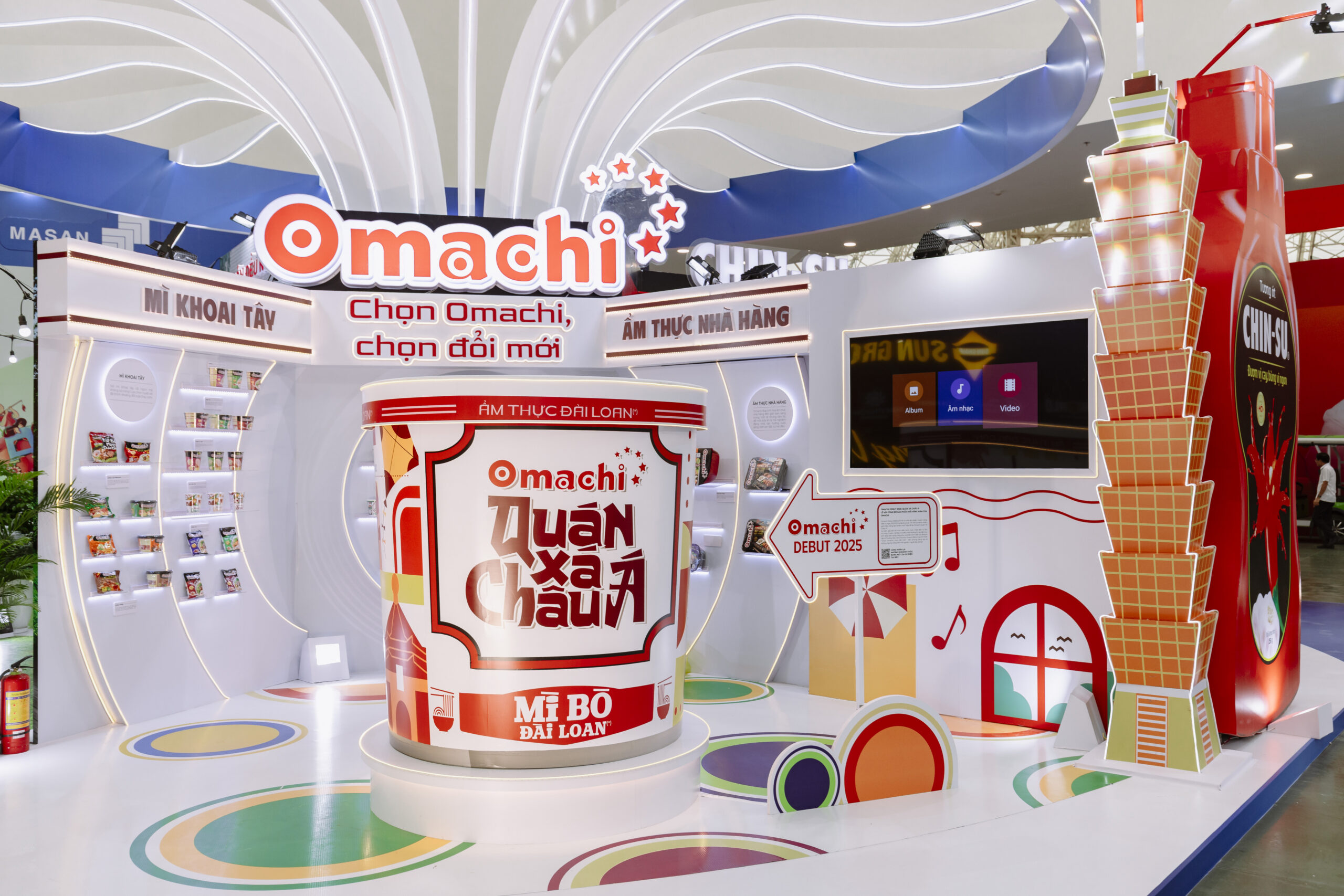
In 2024, new innovations contributed nearly 7% of Masan Consumer’s total revenue, demonstrating tangible business impact from R&D investment. In addition, time-to-market for new innovations has been shortened to under 12 months, improving speed, responsiveness, and capital efficiency.
Investing in R&D to Meet Global Quality Standards
Masan Consumer continues to invest in advanced manufacturing technologies, automation, and standardized quality systems to meet international food safety and operational standards. These investments support consistent product quality at scale and reduce operational risks as international volume expands.
Premiumizing Vietnamese Product Identity for Global Competitiveness
Masan Consumer’s products are currently present in 26 international markets, including the United States, Japan, and China. Selected products have achieved strong rankings on global e-commerce platforms, with CHIN-SU chili sauce ranking #1 on Coupang (Korea), #2 on Weee! (U.S.), and within the Top 10 on Amazon (U.S.). International revenue grew by more than 20% year-on-year, reflecting increasing global traction.
Rather than exporting commodities, Masan Consumer focuses on delivering Vietnamese culinary value through differentiated product design, quality assurance, and brand storytelling aligned with international standards.
Masan’s Consumer R&D Process: From Insight to Commercialization
Masan Consumer operates a structured R&D pipeline designed to improve commercialization success rates and reduce market risks:
1. Consumer Insight Collection through CIC research and market data analytics.
2. Co-creation and Prototype Testing with real consumers.
3. Technology Integration and Quality Validation aligned with manufacturing standards.
4. Pilot Market Testing and Scaled Commercialization through retail and digital channels.
This closed-loop process enables faster iteration, higher consumer acceptance, and better scalability across domestic and international markets.
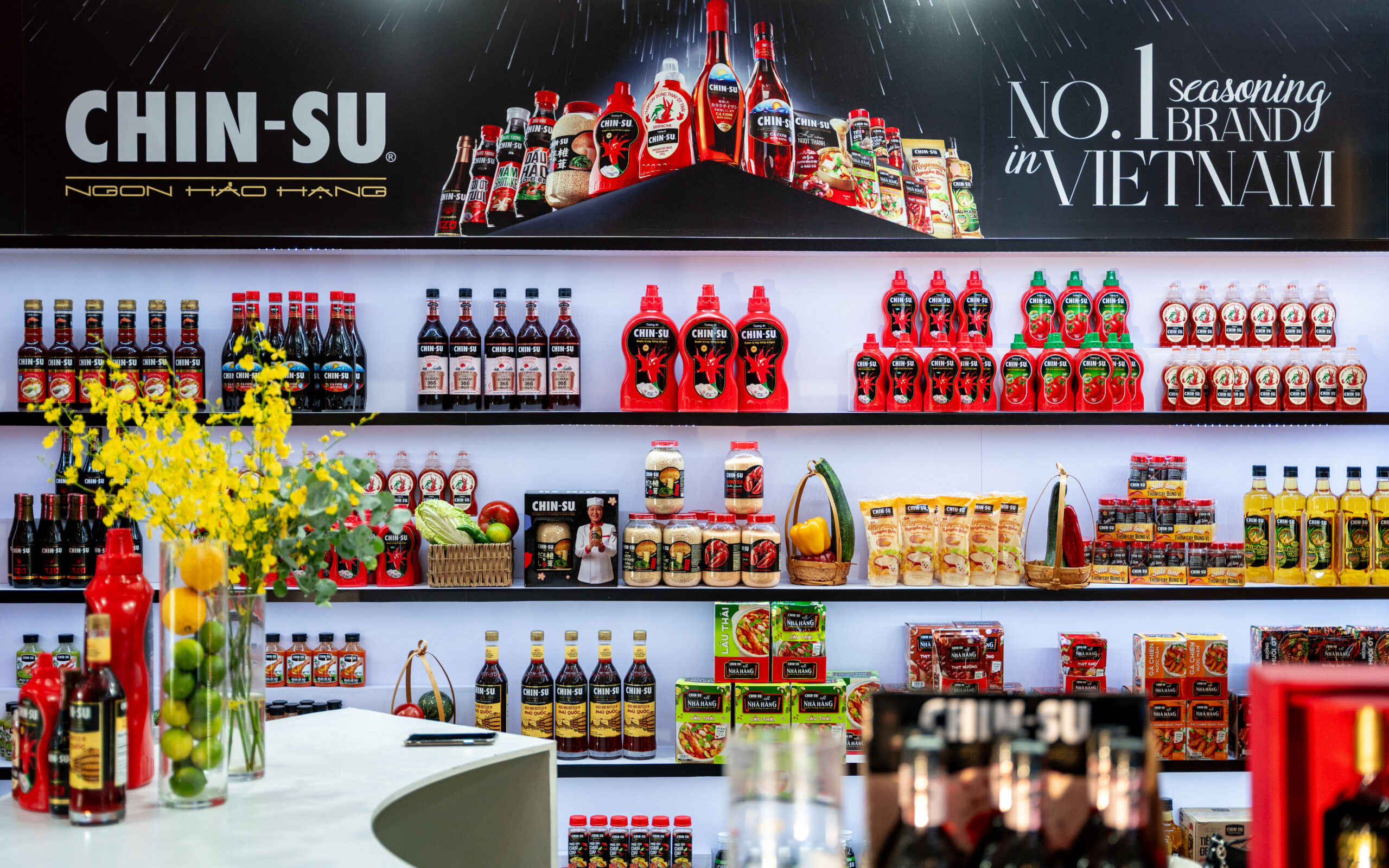
Masan Consumer demonstrates how disciplined R&D investment, consumer-centric innovation, and international quality standards can translate into tangible business outcomes and global expansion opportunities. Over time, enterprises with strong R&D foundations will not only export products, but also export creativity, trust, and brand value.